
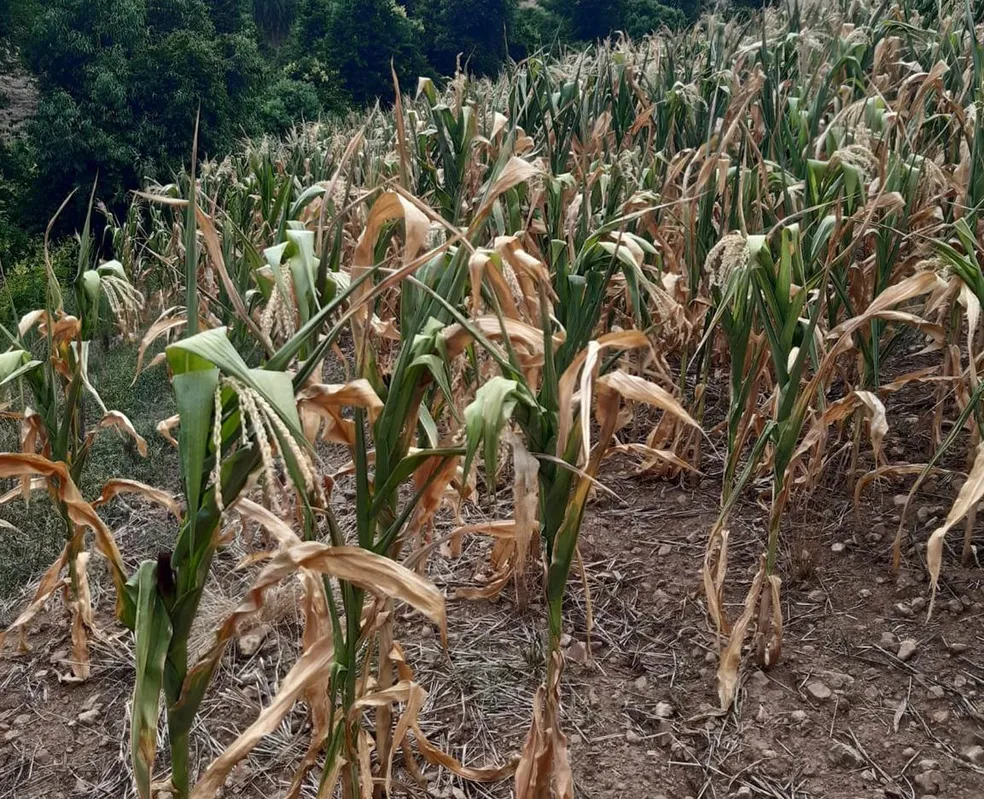
Kenya is bracing for a dry and difficult season. Meteorologists warn that the October–December short rains, vital for farming, will arrive late and fall short, raising fears for food security.
The Forecast
A weak La Niña is forming in the Pacific, bringing with it a high chance of depressed rainfall across much of East Africa. According to the IGAD Climate Prediction and Applications Centre (ICPAC), eastern and northern Kenya face the greatest risk of drought-like conditions, while parts of the west may still see healthy showers.
“The analysis points to an elevated likelihood of below-normal rainfall in central and eastern Kenya,” ICPAC said in a technical statement at the Greater Horn of Africa Climate Outlook Forum in Nairobi. Their models show a 55 per cent probability of drier weather over these regions.
The World Meteorological Organization echoed the warning, citing both La Niña and a developing negative Indian Ocean Dipole—two patterns known to cut off rainfall in East Africa.

Why It Matters
The short rains contribute up to 70 per cent of annual rainfall in some regions. They are central to planting and food production. Delays in their onset, as forecast for central and eastern Kenya, often disrupt planting schedules, forcing farmers into difficult choices: risk sowing into dry soil or wait and gamble with shorter growing windows.
Counties in western Kenya could still see more than 300 millimetres of rain, ICPAC said, but large swathes of the north and east have less than a 30 per cent chance of reaching that threshold.
The Heat Factor
On top of reduced rainfall, Kenyans should expect hotter days. “Probabilities of warmer-than-average temperatures are highest over eastern parts of Kenya,” ICPAC noted. Hotter conditions, experts warn, will worsen water stress, threaten livestock, and shrink crop yields. Some relief may come in Turkana and other north-western counties, where near-average or cooler conditions are possible.
Government Response
Environment Cabinet Secretary Deborah Barasa pledged government support for resilience efforts. “Bridging the early warning gap requires shared knowledge, timely information, and a united regional approach,” she said. “Kenya remains committed to supporting frameworks that strengthen climate resilience.”
Edward Muriuki, acting director of the Kenya Meteorological Department, urged vigilance. “Early warning systems save lives only when they reach everyone, including the most vulnerable,” he said. “We remain committed to providing accurate and timely climate services.”
Regional Stakes
The warning stretches beyond Kenya. ICPAC serves 11 countries across the Greater Horn of Africa, from Somalia and Ethiopia to Uganda and Sudan. All face varying degrees of risk. Mohamed Ware, IGAD’s deputy executive secretary, called for urgent preparation. “The Greater Horn of Africa is at the frontline of the climate crisis,” he said. “Only through collaboration and early action can we turn forecasts into meaningful messages that drive timely action.”
You may also like
Category: News
Related Video: Sex for Work: True Cost of Our Tea
Related Explainer: Kenya’s short rains: What the 2026 forecast means for you
 Facebook
 Twitter / X
 WhatsApp
 LinkedIn
 Telegram
 Reddit