
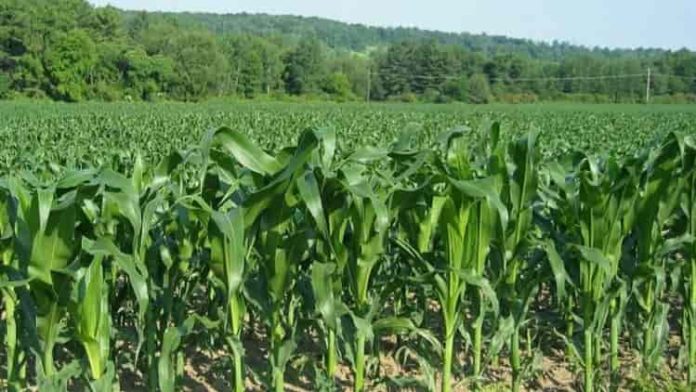
Kenya’s food-producing heartland is heading into another dry month, with the Meteorological Department warning that below-average rainfall could deepen pressure on crops, livestock and water supplies.
The September outlook places much of western Kenya and parts of the Rift Valley on alert for below-average rainfall.
The affected counties include Trans Nzoia, Bungoma, Busia, Kakamega, Siaya, Vihiga, Nandi, Uasin Gishu, Elgeyo-Marakwet, West Pokot, Kisumu, Kericho, Nyamira, Kisii, Bomet, Migori and Homa Bay.
Parts of Narok, Nakuru, Baringo and Turkana are also expected to receive below-average rainfall.

The Kenya Meteorological Department (KMD) says September is normally a transition period between the relatively dry June-August season and the October-December short rains.
This year, however, the department says the dry conditions could have consequences beyond the farm.
Food stocks, pasture, household water supplies and even hydropower generation could come under additional pressure if the rains remain weak.
A mixed blessing for farmers
For farmers who have crops ready for the granary, the forecast is not entirely bad news.
KMD says the drier conditions in western Kenya and the Rift Valley could create favourable conditions for harvesting.
But there is a catch.
Farmers who have already suffered crop losses could face another difficult stretch if the rains fail to arrive in sufficient amounts before the October-December season.
KMD warned that prolonged dryness could worsen shortages of food, water and pasture because of losses recorded during the preceding months.
That makes the timing particularly sensitive for Kenya's food supply.
The country's maize-growing regions are already under pressure. The government announced in August that it plans to import 25 million 90kg bags of maize to cover an anticipated supply gap.
Agriculture Cabinet Secretary Mutahi Kagwe said Kenya consumes roughly 75 million bags annually, while reduced production is expected to leave a deficit of about 25 million bags.
The maize imports are therefore aimed at bridging an immediate supply gap. But another poor rainfall season would add pressure to the longer-term task of rebuilding domestic production.
Western Kenya could feel the pinch
The counties under the below-average rainfall forecast include some of Kenya's most important agricultural areas.
Trans Nzoia, Uasin Gishu, Bungoma, Kakamega and neighbouring counties are major producers of maize and other food crops.
KMD's warning does not mean these counties will receive no rain at all.
Rather, rainfall is expected to be below what is normally received during September.
That distinction matters because a below-average month can still include useful rainfall.
The concern is what happens when those lower totals are combined with dry conditions already experienced earlier in the year.
Livestock farmers face another challenge
The dry spell is also likely to be felt by pastoralists and dairy farmers.
KMD expects generally sunny and dry conditions in several arid and semi-arid counties, including Laikipia, Makueni, Kitui, Machakos, Marsabit, Wajir, Mandera, Garissa, Isiolo, Taita-Taveta and Kajiado.
The department warns that the conditions could reduce the availability of pasture and water.
That comes as Kenya's dairy sector is already reporting signs of tighter supplies.
The Kenya Dairy Board said formal milk deliveries to processors fell by 3.7 per cent, from 84.4 million litres in June to 81.3 million litres in July.
The Board is still compiling August figures, but said early indications point to another decline.
KDB Managing Director William Maritim said milk remains available despite temporary supply constraints affecting some parts of the country.
“Milk continues to be available in the market, despite temporary supply constraints being experienced in some parts of the country,” Maritim said.
The Board attributed the decline partly to seasonal production conditions, while market surveillance found low stocks, fewer supplies of some brands and pack sizes, and delays in restocking some outlets.
That means the current milk situation should not automatically be described as a nationwide shortage.
But another prolonged dry period would make recovery harder, particularly where farmers are already struggling to find affordable fodder and reliable water.
Water is becoming part of the bigger story
The rainfall outlook also raises concerns for water resources.
KMD says water availability could decline in Mandera, Wajir, Isiolo, Marsabit, Garissa, Turkana and Samburu under the expected dry conditions.
Several of these counties are already vulnerable to drought and water stress.
The department says Isiolo, Garissa, Turkana, Baringo and West Pokot remain under drought stress.
Reduced pasture and water could affect livestock productivity and increase pressure on households that already travel long distances to find water.
For pastoral communities, this can quickly become a household income issue.
When livestock lose body condition or milk production falls, families can lose both food and earnings at the same time.
Mount Kenya, Mau and Mt Elgon catchments in focus
One of the less visible risks in the forecast is what happens high in the country's water catchments.
KMD expects below-average rainfall over the Mt Elgon and Mau Escarpment catchment areas.
The Mt Kenya catchment is expected to experience mainly dry conditions.
The department warned that this could affect water levels in hydroelectric dams.
That matters because catchment areas feed rivers and reservoirs that support households, agriculture and power generation far beyond the mountains themselves.
It also means the impact of a dry September cannot be measured only by what happens on farms.
Lower inflows into reservoirs can affect hydropower, while reduced river flows can put pressure on irrigation schemes and downstream water users.
KMD has not said that a September dry spell will automatically cause power shortages.
Rather, it is warning of a potential reduction in water levels in hydroelectric dams if the expected conditions persist.
Not every part of Kenya will be dry
The forecast is not uniform across the country.
KMD expects near-average rainfall in Lamu, Kilifi, Mombasa and Kwale, as well as parts of Tana River, Mandera, Wajir and Garissa.
Meanwhile, Nairobi and much of central Kenya are expected to experience generally sunny and dry conditions, with occasional rainfall.
The department's early September forecast also indicates that some parts of Nairobi, Kiambu, Nyandarua, Meru, Nyeri, Murang'a, Laikipia, Nakuru and Kilifi could receive rainfall.
So the national picture is one of uneven rainfall rather than a blanket dry spell.
What happens next?
The immediate focus will be on the October-December short rains.
That season is particularly important for replenishing water sources, pasture and agricultural production in many parts of the country.
The latest outlook therefore gives farmers, county governments, water agencies and households a window to prepare rather than wait for the situation to deteriorate.
For farmers, that means protecting available water and fodder and making careful harvesting decisions.
For livestock keepers, securing pasture and water will be critical.
For county authorities, monitoring vulnerable communities and water sources could help prevent a dry spell from becoming a wider humanitarian problem.
And for consumers, the weather is another factor to watch as Kenya tries to close its maize supply gap while managing pressure already emerging in the dairy market.
September may be a transition month on the calendar.
For many Kenyan households, however, what happens during these few weeks could shape how difficult the months ahead become.
You may also like
Category: News
Related Video: Dolly Parton’s Family Announces Her Passing in Emotional Tribute
Related Explainer: Kenya’s short rains: What the 2026 forecast means for you
About the Author
Maureen Onyango is a journalist passionate about storytelling, life coaching and spiritual lessons. She studied at the Kenya Institute of Management and enjoys telling stories that inform, inspire and empower communities.
 Facebook
 Twitter / X
 WhatsApp
 LinkedIn
 Telegram
 Reddit