
NAIROBI, Kenya, June 11, 2026 – Airtel Africa Foundation invested approximately KSh802 million (US$6.2 million) in education, digital inclusion, financial inclusion and environmental sustainability initiatives across Africa during its first full year of operations, according to its inaugural annual report released on Thursday.
The Foundation, which serves as the philanthropic arm of Airtel Africa Plc, said the investment has already transformed access to education and digital opportunities for millions of people across the continent, with education receiving the largest share of funding.
Among its key achievements, the Foundation connected 1,028 schools to the internet through its partnership with UNICEF, bringing the total number of connected schools to 3,296 across 13 African countries. The initiative has benefited more than 2 million learners and nearly 39,000 teachers.
In a continent where many schools still struggle with limited internet access, the programme is helping bridge the digital divide and expand access to online learning resources.
The report also shows that 64 zero-rated digital learning platforms enabled more than 11 million learners to access educational content free of charge, removing cost barriers that often prevent students from accessing online materials.
Beyond connectivity, the Foundation is investing in school infrastructure. Through its School Adoption Programme, seven public schools have been fully renovated while another 43 are undergoing upgrades. The programme combines classroom improvements, digital access and student support initiatives to create better learning environments.
The Foundation is also supporting the next generation of African innovators through the Airtel Africa Tech Fellowship. During the reporting period, 257 full university scholarships were awarded to students pursuing science, technology, engineering and mathematics (STEM) courses in Malawi, Nigeria, Tanzania, the Democratic Republic of Congo and Uganda.
In addition, more than 30,500 young people and women received digital skills training through programmes implemented in partnership with governments, development agencies and private-sector organisations.
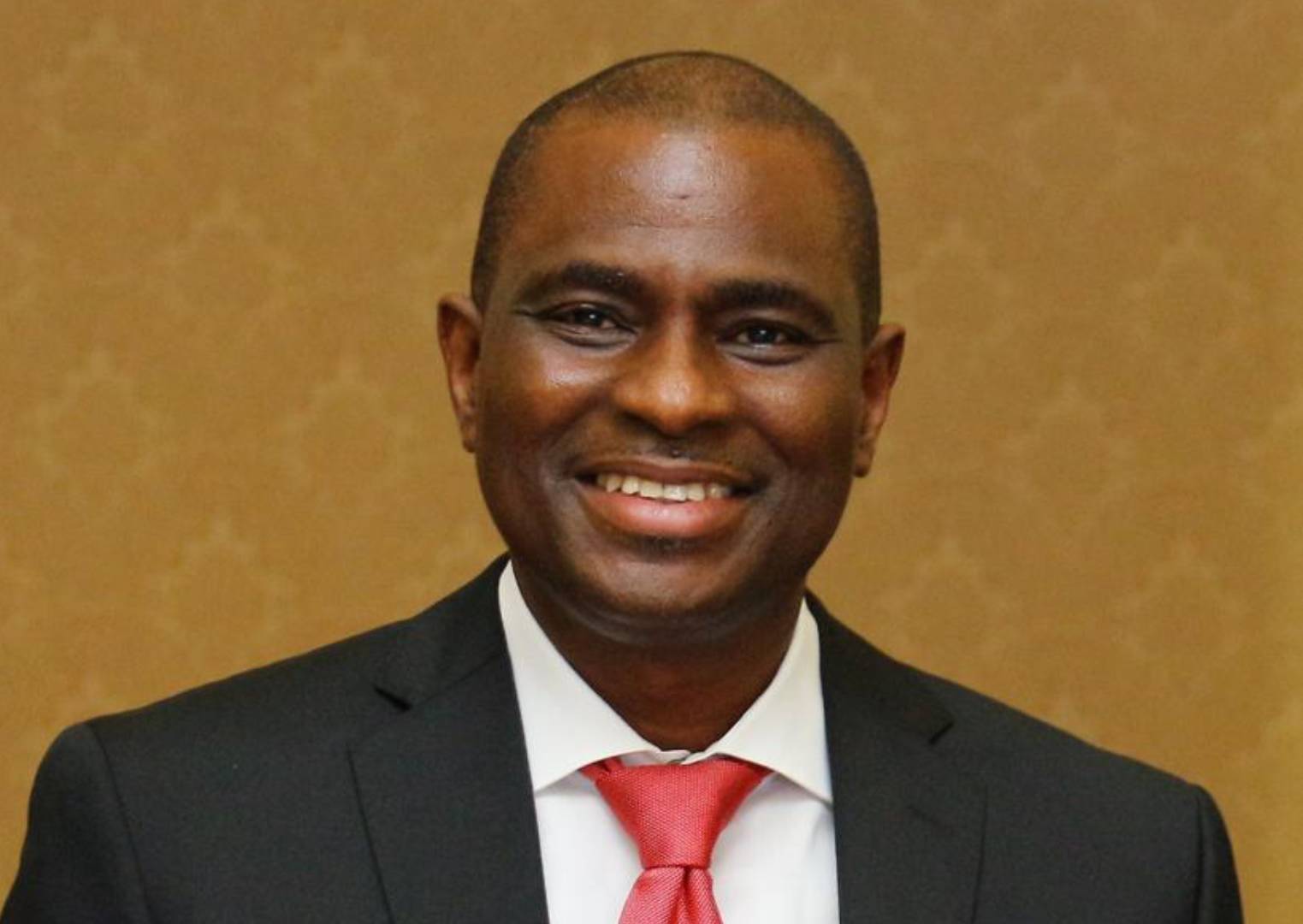
Speaking during the release of the report, Airtel Africa Foundation Chair Segun Ogunsanya said the organisation was created to address inequalities that continue to limit opportunities for many Africans.
"While talent and ambition are abundant across Africa, access to education, digital tools and economic participation remains uneven. Through partnerships and our continental reach, we are committed to investing in communities furthest from opportunity," he said.
The Foundation says its approach focuses on delivering measurable impact while creating long-term solutions that can help communities become more resilient and economically empowered.
Looking ahead, Airtel Africa Foundation plans to significantly expand its programmes. The organisation aims to increase the number of schools under its School Adoption Programme to more than 80, provide internet connectivity to an additional 2,000 schools, and increase the number of scholarship beneficiaries to more than 600 young people.
It also plans to expand digital skills and financial inclusion programmes targeting underserved communities across Africa.
"As a Foundation, we are positioned to deliver skills development and lasting change at the individual and household level, while partnering with governments to unlock Africa's economic transformation," Ogunsanya added.
The report highlights the growing role of private-sector philanthropy in addressing development challenges across Africa, particularly in education and digital transformation, sectors increasingly viewed as critical to the continent's economic future.
Airtel Africa Foundation operates across Airtel Africa's 14 markets and focuses on four key pillars: financial inclusion, education, environmental protection and digital inclusion.